

By: Adam Raulerson, M.S., LMFT, Manager, Behavioral Health Community and Inpatient at Northeast Georgia Medical Center
Content Warning: This article discusses suicide. If you or someone you know is struggling or has had thoughts of suicide, you are not alone. Help is available. Please reach out by calling or texting 988 (Suicide & Crisis Lifeline) 24/7.
Suicide is a permanent solution to a temporary problem.
It was Saturday afternoon, July 6, 2024, at approximately 4:30 p.m., when I received a call from my stepmom. She called to tell me that my dad had taken his life. While I had prepared myself for this call for a long time, I was overwhelmed with sadness and grief at hearing the words that my stepmom spoke. I miss my dad.
Why is it important to talk about suicide?
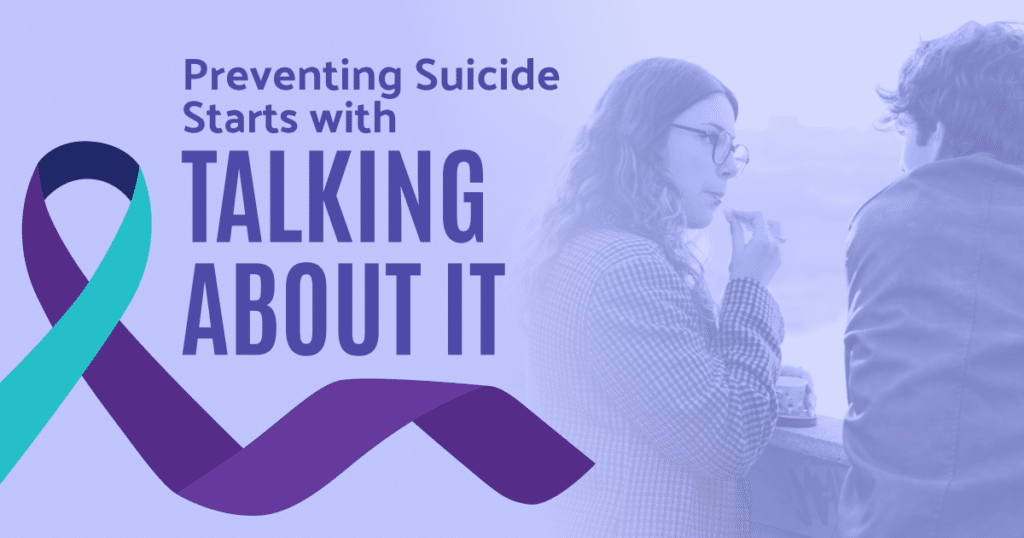
There is a well-known myth that talking about suicide or asking the suicide question will “plant the thought” in someone’s mind. The reality is that people are either thinking about suicide or they are not. The challenge is creating comfort and safety in openly talking about suicide, especially when we are concerned about someone. There is so much stigma around mental health and suicide that those who may be thinking about suicide do not feel like they can share without judgment or being dismissed. Just think for a minute – think about the mental weight and emotional burden a person thinking about suicide is experiencing. Just imagine the pain, the internal struggle and the turmoil the person is going through. What is better? To keep all this inside and continue to struggle alone or to feel safe enough to share with someone you trust, someone you know cares about you? The truth is that talking about suicide lowers suicide risk. Your willingness to have open and honest conversations about suicide breaks the stigma and creates an opportunity for honest sharing without fear of judgment. I know what you are thinking: “How do I even start a conversation about suicide if I am concerned about someone?”
How do I talk to someone I am worried about?
The best way to talk to someone you are worried about is not to talk much at all. The best thing you can do is listen! Listening, truly listening (sometimes referred to as “active listening”), is a lost skill because we focus so much on what we want to say. I encourage you to say less and listen more – make eye contact, observe your body language and what it conveys, repeat back what you heard so the person knows you “get it.” Try to avoid the idea that you can “fix it” – this leads to you saying things like, “It will get better,” “You shouldn’t feel this way,” “You don’t really mean that.” Comments like these are often said with love and are intended to be helpful, but they may cause the person to withdraw because they can feel dismissive or judgmental. Share what you have observed in the person – behaviors. Focus on expressing your deep care and concern, your desire to be supportive, your willingness to help – and most importantly, how much you value the person. Be genuine and authentic. Acknowledge that you don’t have all the answers, and, if you can, commit to helping the person connect to someone who can help.
Don’t buy into the myth: “If you ask someone about suicide, they will just get angry, and you will make things worse.” This myth feeds into our fear and keeps us from engaging in conversation when we are concerned about someone. When I provide suicide prevention training and ask why so many of us hesitate to ask the suicide question, the number one reason I hear is fear. What if I ask the suicide question and the person says, “yes”? What do I do?
What do I do if someone says “yes” to the suicide question I ask?
First, let me say this – thank you! If you can ask the suicide question when you are worried about someone who may be thinking about suicide, then you may have just saved a life. When we can intervene and connect people to support when they are thinking about suicide, they are less likely to be suicidal again in the future. Now, let me be clear: there are those who live with chronic thoughts of suicide – my dad was one of those individuals. I know that there were several times we were able to help my dad through suicidal thoughts and help him keep going. I wish he would have been more open to the supports offered – he would probably still be here today.
If a person says “yes” to the suicide question, I would focus on these three things:
- Thank the person for telling you – it takes a lot of courage to share suicidal thoughts. Make sure the person understands how much it means to you that they were willing to share this very personal, very difficult situation with you.
- Connect the person with the appropriate support. Call 988 together. You can go with them to the hospital if needed/willing. You can help them connect with a family member/friend/pastor who can provide support.
- Follow Be sure to check in with the person – in person, phone call, text, encouraging note, etc.
Where can I find help?
A great resource that many people still do not know about is the 988 Suicide and Crisis Lifeline. If you are with someone who expresses suicidal thoughts, you can simply call or text 9-8-8 and be connected with a counselor who can help. All calls are free and confidential.
Another resource, if you or someone you know needs immediate help, is your local emergency room. This may be intimidating, so go with the person if you can.
Please reach out. You are worth it.
Additional Helplines:
Georgia Crisis and Access Line (GCAL): Call 1-800-715-4225. This is Georgia’s primary, state-funded 24/7 helpline for mental health, substance use, and developmental disability crises. It is a nationally accredited crisis center and partner to the 988 suicide and Crisis Lifeline. They can deploy mobile crisis teams or help schedule routine treatments.
Peer2Peer Warm Line: Call 1-888-945-1414. Operated by the Georgia Mental Health Consumer Network, this is a 24/7 confidential resource providing peer-led emotional support for anyone dealing with loneliness, anxiety, or life challenges.
CARES Warm Line: Call or text 1-844-326-5400. Operated by the Georgia Council on Substance Abuse (GCSA), this line is available daily from 8:30 AM to 11:00 PM. It is staffed by Certified Addiction Recovery Empowerment Specialists (CARES) who use their lived experience to support individuals navigating addiction recovery, mental health struggles, or both.
NAMI HelpLine: Call 1-800-950-NAMI (6264) or text HelpLine to 62640. Available Monday through Friday, 10 AM to 10 PM ET. Operated by the National Alliance on Mental Illness, this line connects individuals, family members, and caregivers to peer support, local resources, and educational tools.
NAMI Teen & Young Adult HelpLine: Call 1-800-950-6264 or text Friend to 62640. Available Monday through Friday, 10 AM to 10 PM ET. This is a national non-emergency warmline where young adults can find resources, navigation tips, and one-on-one emotional support from peers.
Teen Line: Call 1-800-852-8336 (available 9 PM to 1 AM ET) or text TEEN to 839863 (available 9 PM to 12 AM ET). This service connects you with highly trained teen volunteers who understand exactly what you are going through. Calls are overseen by adult mental health professionals.
Vets4Warriors: Call 1-855-838-8255. A 24/7 independent peer support network staffed entirely by veterans, aimed at helping military personnel, veterans, and their families map out non-emergency solutions and life adjustments.
Postpartum Support International (PSI): Call or text 1-800-944-4773. A dedicated non-emergency helpline for pregnant and postpartum parents experiencing anxiety, depression, or distress. (Text support is available 24/7; phone messages are returned promptly during daytime hours).
The Trevor Project (LGBTQ+ Youth): Call 1-866-488-7386 or text START to 678-678. A 24/7 confidential service providing peer support and resources specifically tailored to LGBTQ+ young people facing mental health struggles or isolation.