

By: Charlene L. Myers, LPC, NCC, CCTP
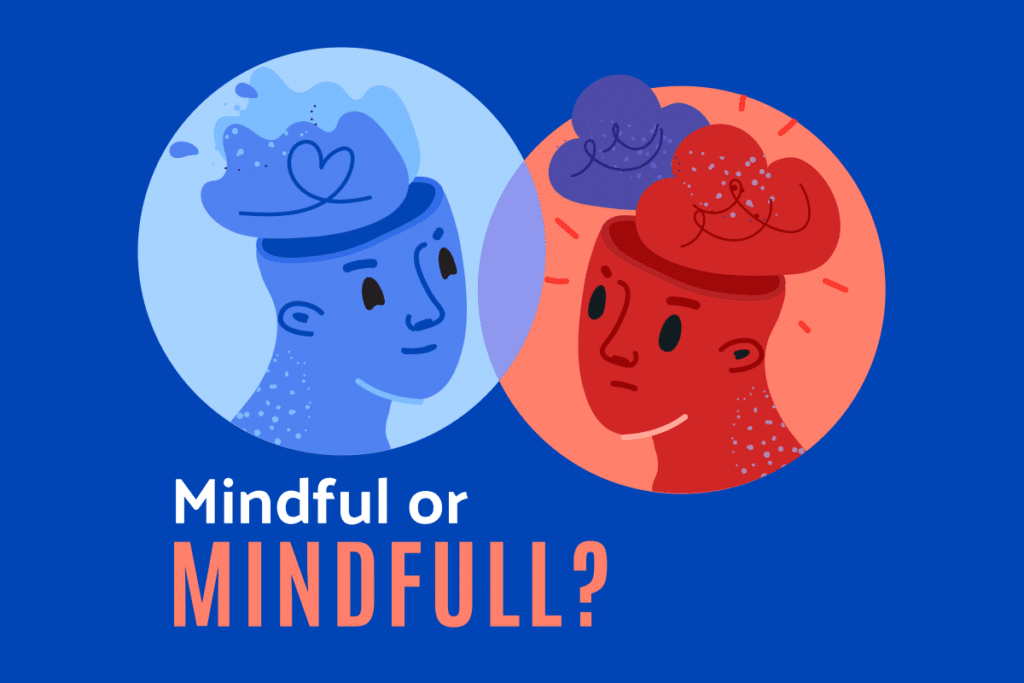
In today’s fast paced-world, it’s easy to feel like our minds are always racing. We tend to move through the day on “autopilot,” being present in our bodies, but our minds are often elsewhere. Between work, family responsibilities, notifications, and endless to-do lists, it’s easy to spend our days thinking about what’s next instead of experiencing what is happening right now, and that’s where mindfulness comes in. Mindfulness is an essential life skill that has profound benefits for both mental and physical health. But what exactly is it?
Simply put, mindfulness is the practice of intentionally paying attention to the present moment without judgment. Instead of dwelling on the past or worrying about the future, mindfulness encourages you to notice what you are experiencing right now—your thoughts, emotions, physical sensations, and environment.
The goal isn’t to stop your thoughts or clear your mind completely. Instead, mindfulness helps you observe your thoughts as they come and go without getting overwhelmed by them.
And the good news is that mindfulness doesn’t require special equipment, a lot of time, or years of training. All it requires is a commitment to intentionally practicing a few techniques that work for you, so that over time, this awareness can help you respond to life’s challenges with greater clarity, calm, and intention.
The Benefits of Mindfulness
- Reduced Stress & Anxiety: Observing thoughts without judgment can reduce reactivity to our emotions, thus breaking cycles of automatic negative thoughts and rumination (that constant negative “roll the tape” thinking) that often contribute to stress and anxiety.
- Enhanced Focus & Concentration: Practicing mindfulness strengthens your ability to pay attention, thus improving concentration, productivity, and decision-making. Studies have shown that mindfulness has positive effects on brain regions involved in memory and learning.
- Improved Emotional Awareness & Regulation: With consistent practice, mindfulness helps you become more aware of your emotional patterns. Increasing the ability to notice, label, and accept feelings, rather than simply reacting to them, leads to healthier responses to difficult emotions and stronger relationships with others.
- Improved Physical Health: Mindfulness can positively affect physical health also. Studies suggest it may help lower blood pressure, improve sleep quality, and even support a stronger immune system.
- Increased Self-Compassion: Instead of criticizing yourself for every mistake or difficult emotion, mindfulness helps you learn to acknowledge those experiences with curiosity and understanding.
Simple Mindfulness Exercises to Get Started
- Breathing – Mindful breathing is one of the easiest ways to start practicing mindfulness. If your mind wanders (which it will), simply bring your focus back to your breathing. Give it a try for two to five minutes:
- Find a comfortable, relaxed position and close your eyes.
- Take a slow breath in, hold it, then slowly release.
- Focus your attention on the sensation of your breath moving in and out of your body.
- 3-3-3 Rule – This exercise helps ground you in the present moment using your senses and is especially helpful during moments of stress or anxiety. Pause and notice:
- 3 things you can see
- 3 things you can hear
- 3 things you can touch
- Mindful Walking – This is a great option to incorporate movement into your mindfulness practice and use walking as a way to slow down and pay attention. While walking:
- Notice the rhythm of your steps
- Feel your feet connecting with the ground
- Feel the air on your skin
- Observe your surroundings without rushing
- Body Scan – This helps you reconnect with physical sensations and release tension and can be particularly helpful before sleep. Start at the top of your head and slowly move your attention down through your body, through your shoulders, arms, torso, legs, and feet. Notice any areas of tightness or discomfort. Take a deep breath and allow those muscles to relax.
- Active Observation – Mindfulness doesn’t always have to be a formal practice. You can incorporate it into everyday activities by focusing your attention fully on the activity and noticing the sensations. Try it while you are drinking your morning coffee, doing dishes, taking a shower, or eating a meal.
- Picture Perfect – Focus on a painting, photograph, or landscape. Imagine yourself stepping into the scene. Take time to notice as many details as possible – the colors, shapes, and movement. Consider what you might hear, feel, or even smell if you were truly there. Allow yourself to fully experience the scene for a few quiet moments.
- Practicing Kindness – Believe it or not, showing kindness to someone else is a very effective mindfulness practice. Intentionally focusing on helping or encouraging another person shifts your attention away from your own worries and toward the needs of others. This simple act can help regulate your own emotions, reduce stress, and promote a sense of calm and well-being.
Like any skill, mindfulness becomes easier with practice. Start with just one practice for a few minutes a day and gradually increase as you see the benefits. In a world that often feels overwhelming, mindfulness offers something many people are searching for: a chance to slow down, breathe, and reconnect with what matters most.